






About our Research

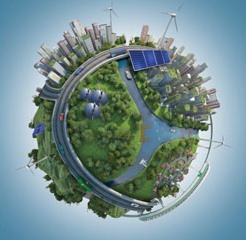
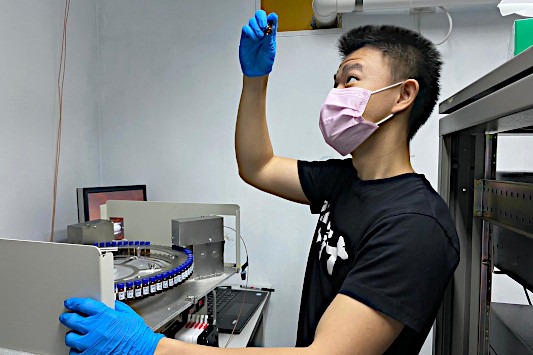
Our proposed research is revolved around the theme of bioenergy and understanding the functions of microorganisms in the natural and engineered environments. Overall, we focus on culturing novel microbes from the environment and studying the genome, transcriptome and proteome of microbes that are present in pure cultures or in complex microbial communities. The fundamental knowledge will then be translated to modeling and engineering design. We take advantage of the many state-of-the-art and high-throughput systems biology instrumentation in our research to facilitate discovery.
  1. Biotransformation of food waste and cellulosic materials to bioenergy

    In Hong Kong and elsewhere in the world, million tons of organic waste such as food waste and cellulosic waste are generated every year. Instead of disposing these organic materials to landfills, we can take advantages of microbial metabolism to transform them to useful bioenergy. This project aims to take a systems biology approach to study microbial communities that are effective in transforming organic waste to useful fuels.

  2. Microbial ecology in indoor environments
    Microorganisms are everywhere. In many engineered infrastructures, it is important to know who are there and what they are doing as it has significant public health implications. Using high-throughput techniques, this project aims to identify the microbes that are present and their activities.

  3. Environmental microbial processes

    Microorganisms drive many processes in the environment and some of these processes are not well understood. Using culturing and advanced molecular techniques, this project aims to clarify the functions of the key microbes in the environment and how we can better harness their metabolism to improve the environmental health of many local ecosystems.

  4. Ecophysiology of single cells

    Strains with physiological and genetic differences can exist within a species that is catalyzing various environmental processes in different natural and engineered ecosystems. The driving force for the different ecotypes can usually be traced to environmental conditions. This project aims to apply single-cell techniques to address the physiological and genetic variabilities that might arise within different ecotypes.

We are grateful for the financial supports of the Hong Kong Research Grants Council and the City University of Hong Kong to our on-going research projects.